17.7° 
These lands were acquired and inherited by prominent local families, whose economic and political activities promoted their growth. Among the most relevant names, there was Mr. Wheelwright, concessionaire of the Argentine Central Railway, and Mr. Ciro Echesortu, who was the city's mayor in 1838.
As the city expanded, this sector received more attention, and various institutions that the local elite preferred to keep away from the urban center were established there. These included the Anti-Rabies Institute, the Penitentiary, the Cemeteries (El Salvador, the Cementerio de Disidentes, and the Cementerio Israelita), and the Leprosarium, which is now the Carrasco Hospital.
The urbanization was in charge of the Ciro Echesortu and Casiano Casas Company, which not only parceled out the lots, but also organized the Tranway del Oeste Tram Company. Over time, the streets were paved with stones brought from the Martin Garcia Island, and cobblestones that arrived as ship ballast. By 1900, the lots were sold at very low prices, which facilitated the construction of homes, and promoted the neighborhood.
Historical pictures: Higher School of Museology, and Museum of the City.
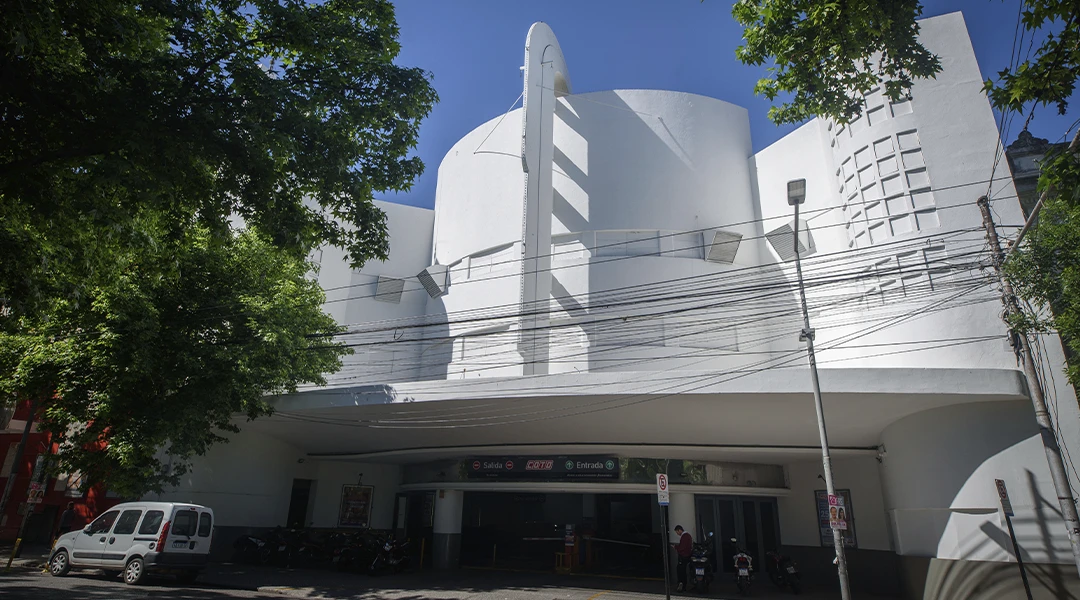
At the beginning of the 20th Century, the Echesortu Recreo, a space where plays, dances and kermesses were...

The No. 77 Juan Enrique Pestalozzi School was inaugurated in April 1928 in an imposing neoclassical building,...
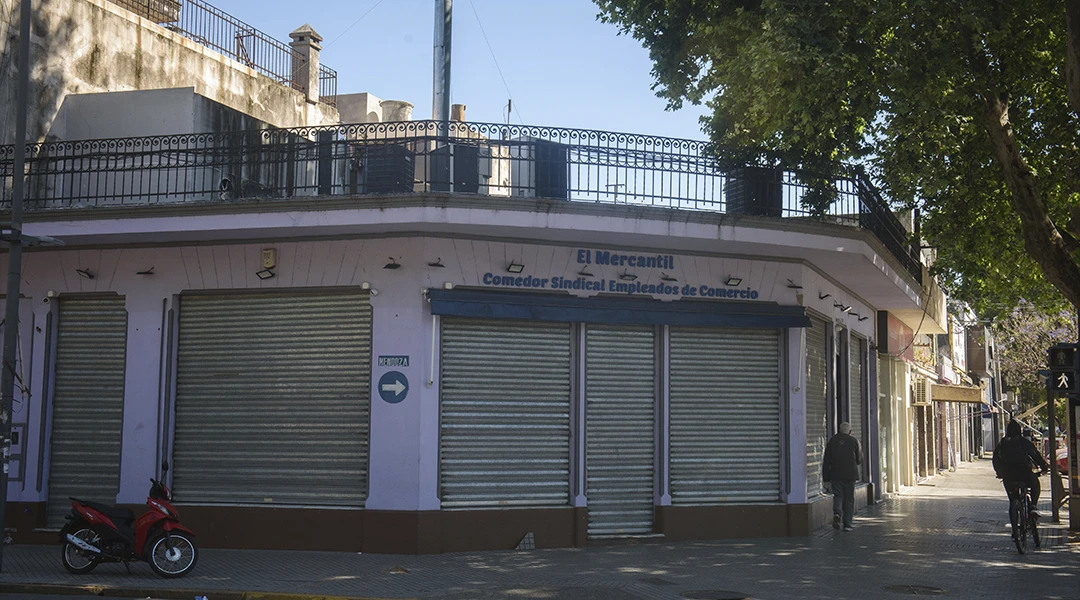
In the 1920s, in this traditional corner, the "Cafe Bar y Casin La Capilla" opened its doors. Initially, it...
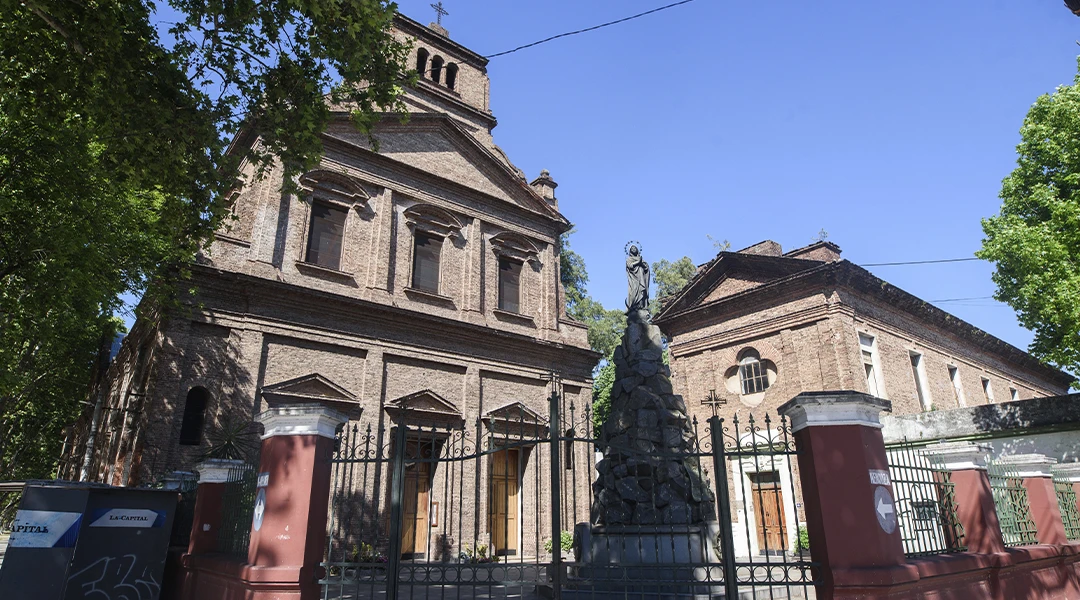
The parish was a founding part of the neighborhood, since between 1891 and 1894, the Franciscan order was...

It was founded in 1897 as a leprosarium and was mainly intended for patients with infectious contagious...
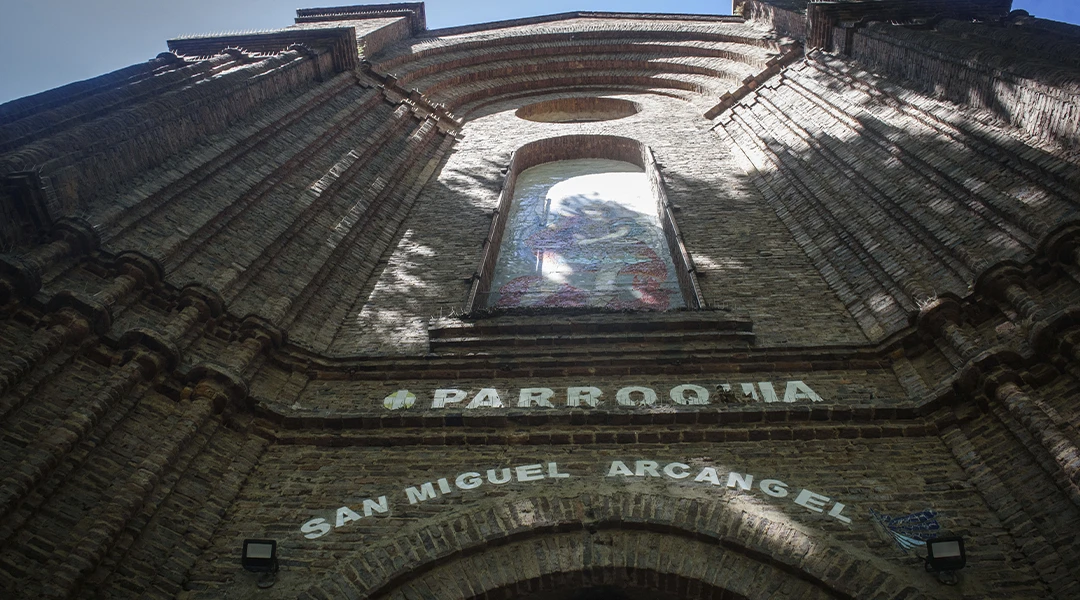
In 1912, the cornerstone of the new temple was placed in its current location, on land acquired from Don...
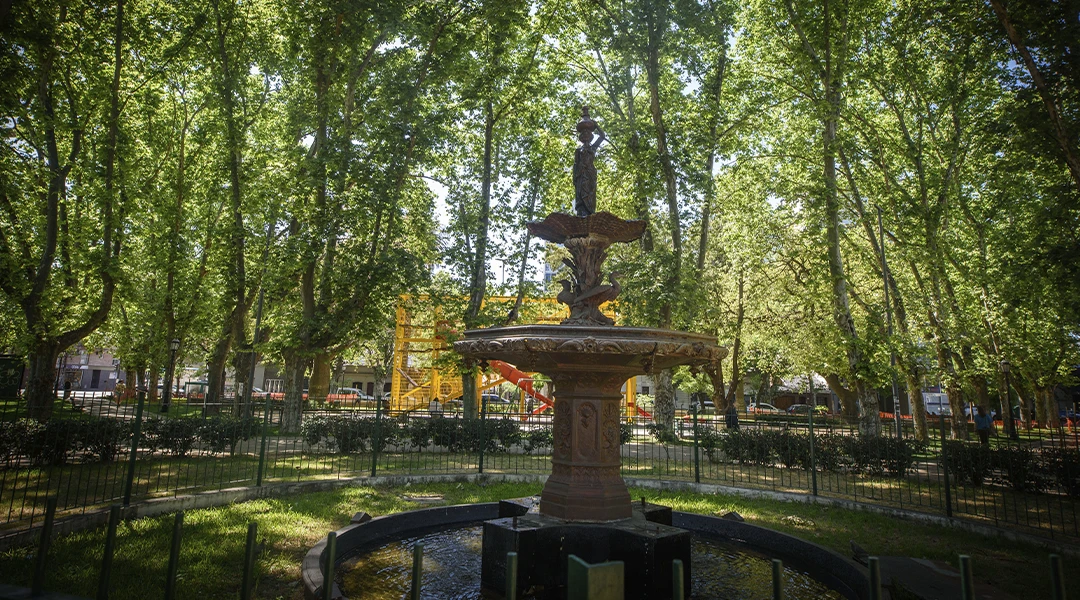
Originally known as the "Doña Luciana Vizcacha Hole," passed into the hands of Santiago Buratovich after the...
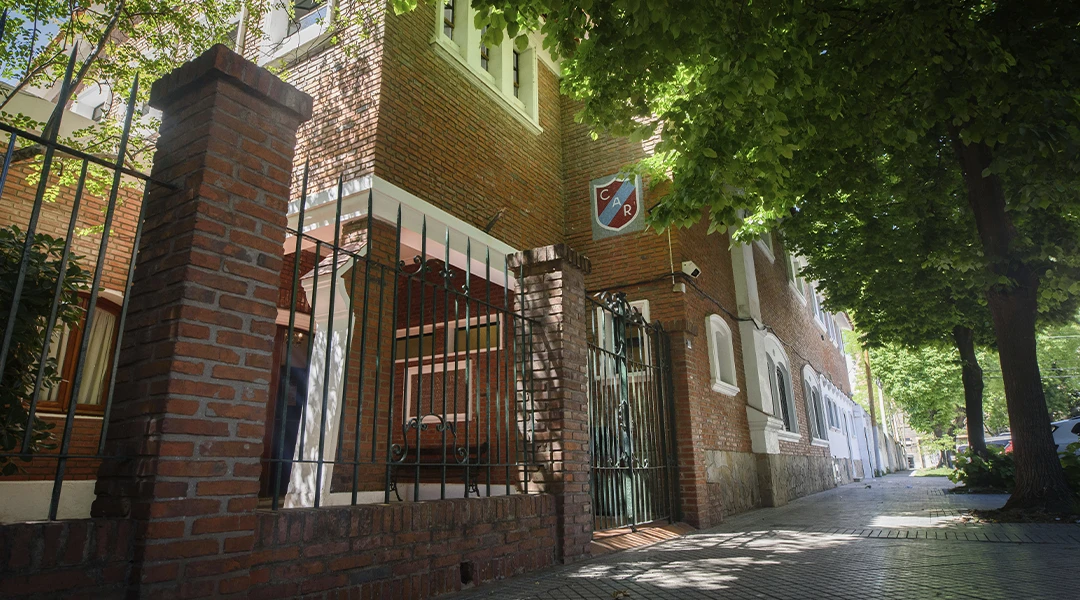
On March 27th, 1867, the Rosario Cricket Club was founded, created by a group of English immigrants who came...
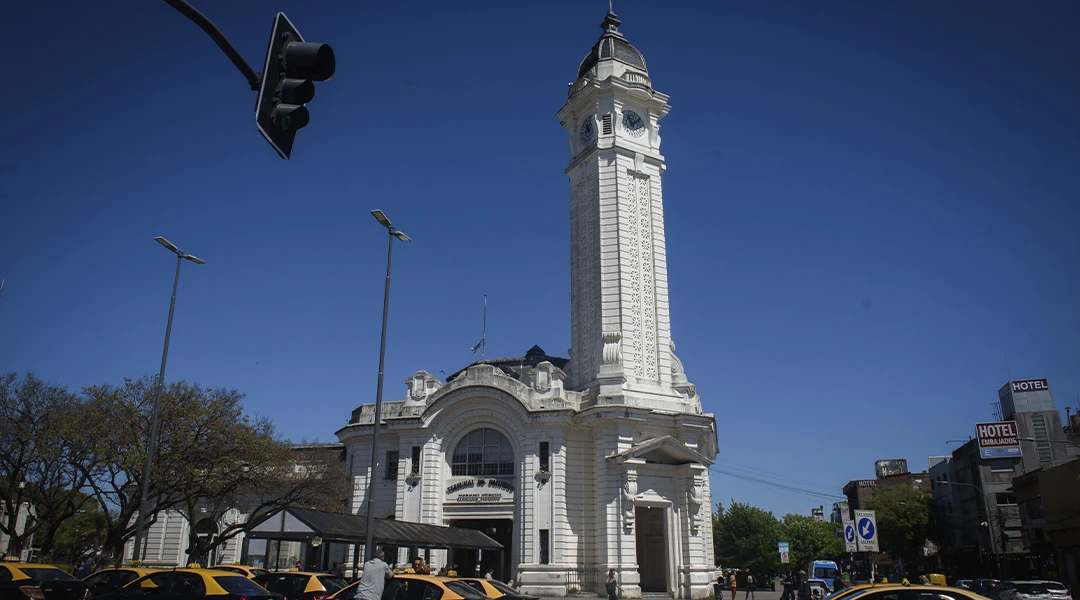
The neighborhood has some French and English airs on its western edge. There, the French railway left its...
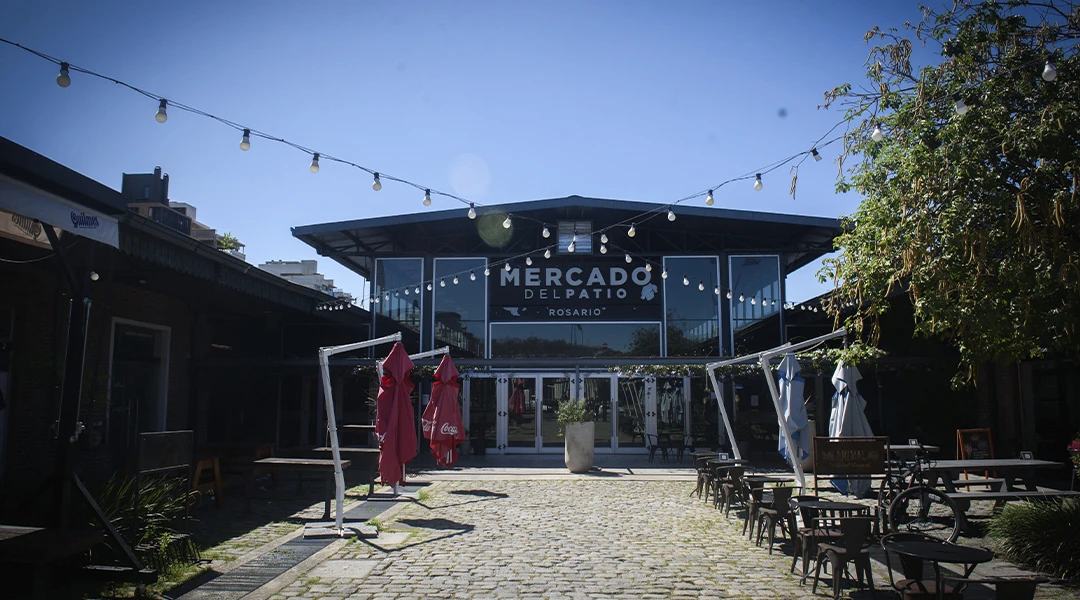
The area delimited by Cafferata, Vera Mujica, Cordoba, and Santa Fe streets was originally a loading station...
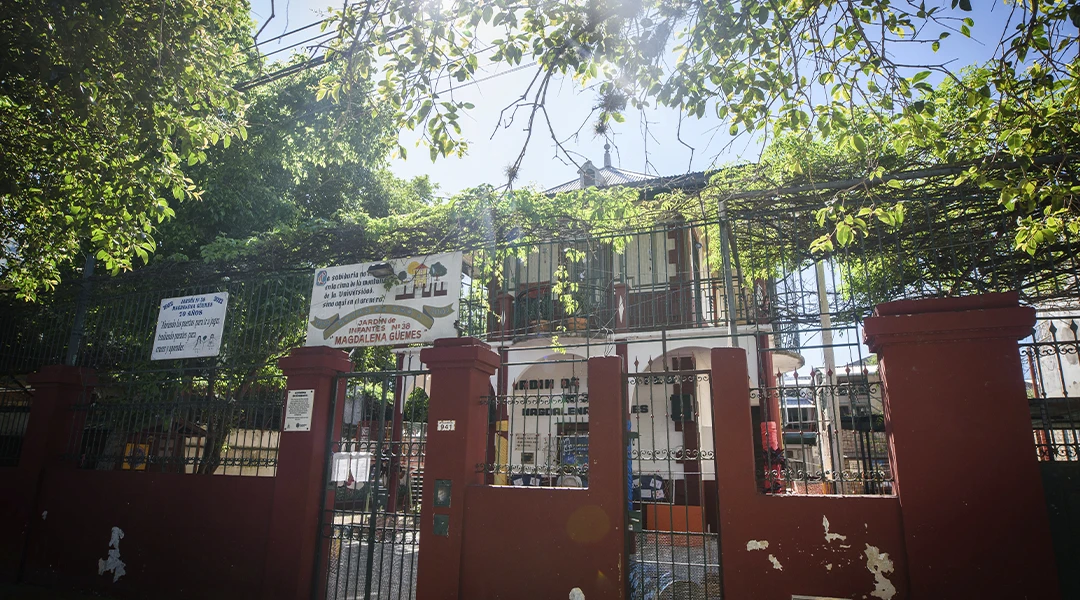
The English style of construction was present in Echesortu with neighbors of that nationality who left their...

MIRÁ MÁS CIRCUITOS EN
Rosario Turismo App DescargarA pioneer of contemporary art, his career had a great international influence.
Read moreA tour around the birthplace and other places that marked Che Guevara's...
Read moreIn few steps, a tour through the buildings that summarize a great part of the...
Read moreIn Rosario, a closer look reveals one of the most fascinating architectural...
Read moreCartoonist and writer from Rosario. He made a cult of friendship, soccer and...
Read more