17.7° 
In the 1895 plan, it could be seen that after a decade, the Village consisted only of Arijon's great residence, "Villa Fausta," the Baths, and a series of six houses bordering the southern limit of the municipality (La Corina and Nueva Corina). The Baths were interspersed in the northern arm of the stream.
Towards the end of the 19th century, it was believed that stream waters had medicinal properties, since they were supposed to be iodized. This belief, together with the natural beauty of its small waterfalls or creeks, turned the area into a real tourist attraction on a local scale. With a remarkable commercial vision, Arijon had built the Saladillo Baths on its course.
In 1906, there was a parcelling approved by municipal ordinance and promoted by "El Saladillo" Corporation, which marked the beginning of the urbanization of this extensive territory. It should be noted that the typical village block had a grid-like layout, which characterized its urban fabric.
Since its foundation, Saladillo Village has been characterized by its low population density. It was a place of permanent settlement or, more commonly, a weekend spot for a part of the Rosario aristocracy, and at the same time, a prominent tourist center for swimmers and outdoor bathing enthusiasts.
The establishment of the Swift Rosario Meat Company in the 1920s on the southern bank of the stream, together with the arrival of numerous Lithuanian, Russian, and other European immigrants as workforce for the plant, would definitely change the character of the old summer village.
Historical pictures: Higher School of Museology, and Museum of the City.
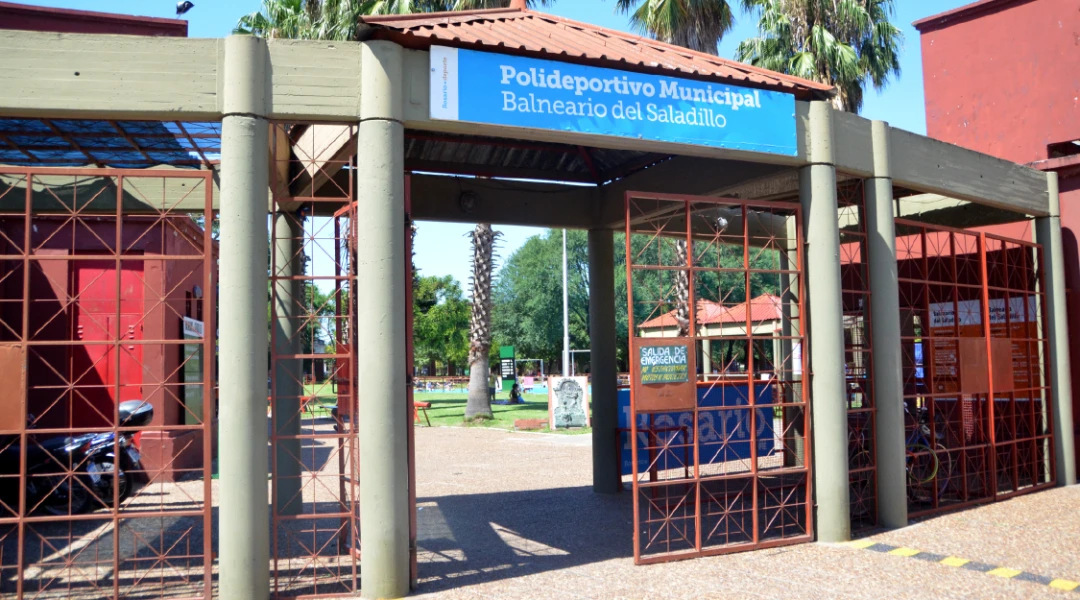
On November 1st, 1885, Manuel Arijon founded the Saladillo Baths, the first public beach in Latin America....
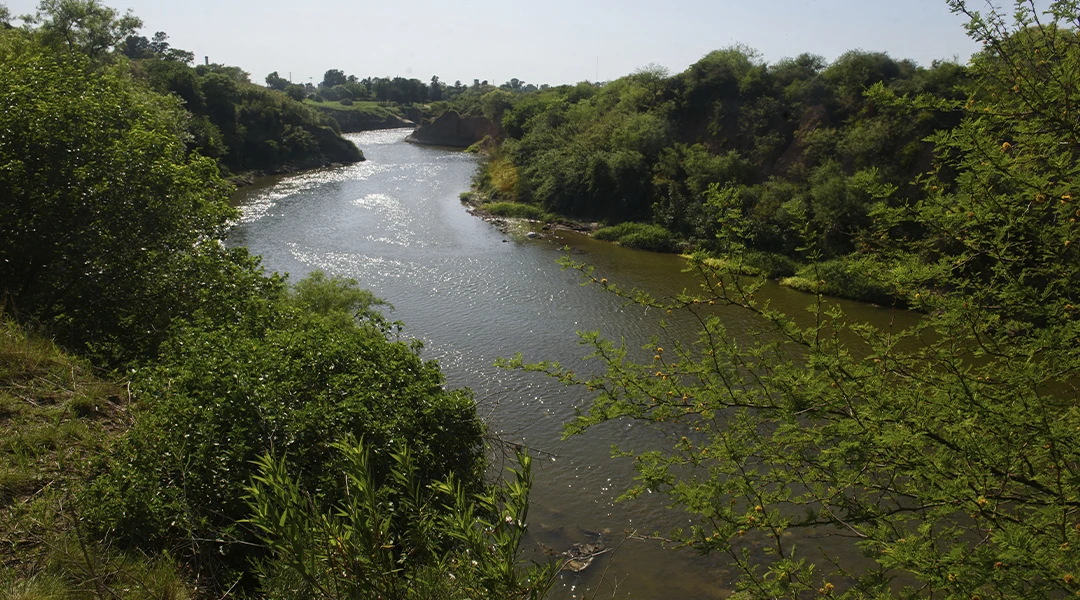
Also known as the "Saladillo Dry Arm", this area is delimited by the two arms of the stream: the southern...
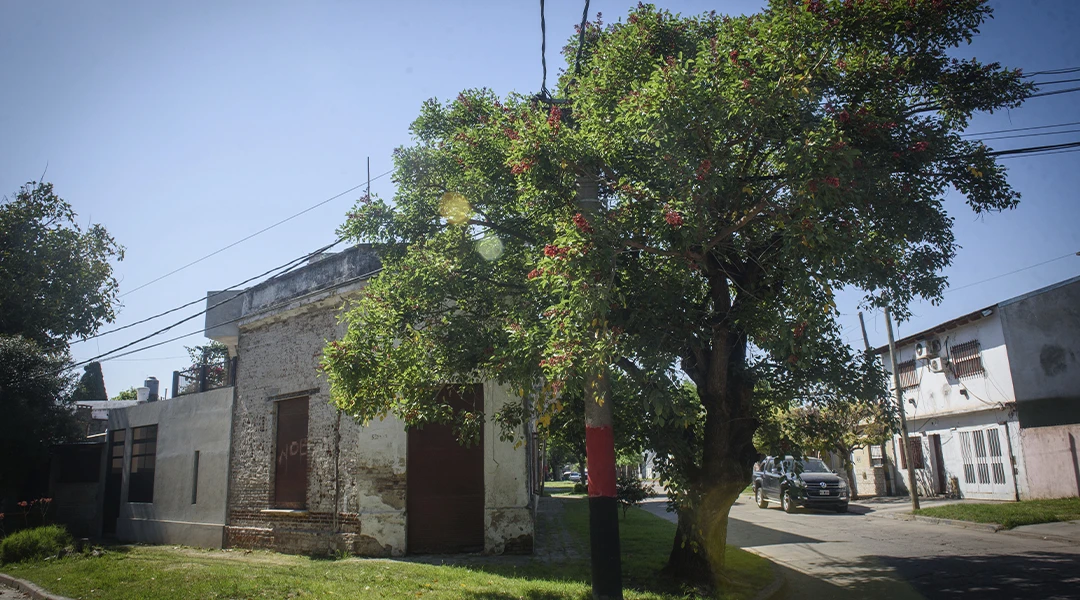
The Swift plant in Rosario, located on the Parana River and Saladillo Stream riverbank, began its operations...
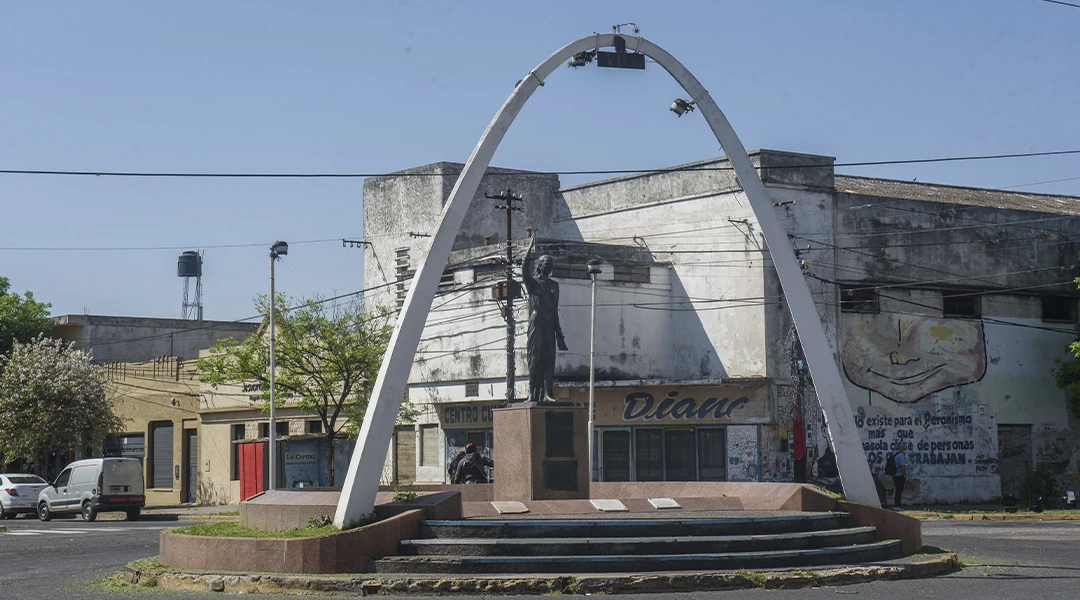
This is one of the most traditional street intersections in the neighborhood. In the mid-XX century, the...
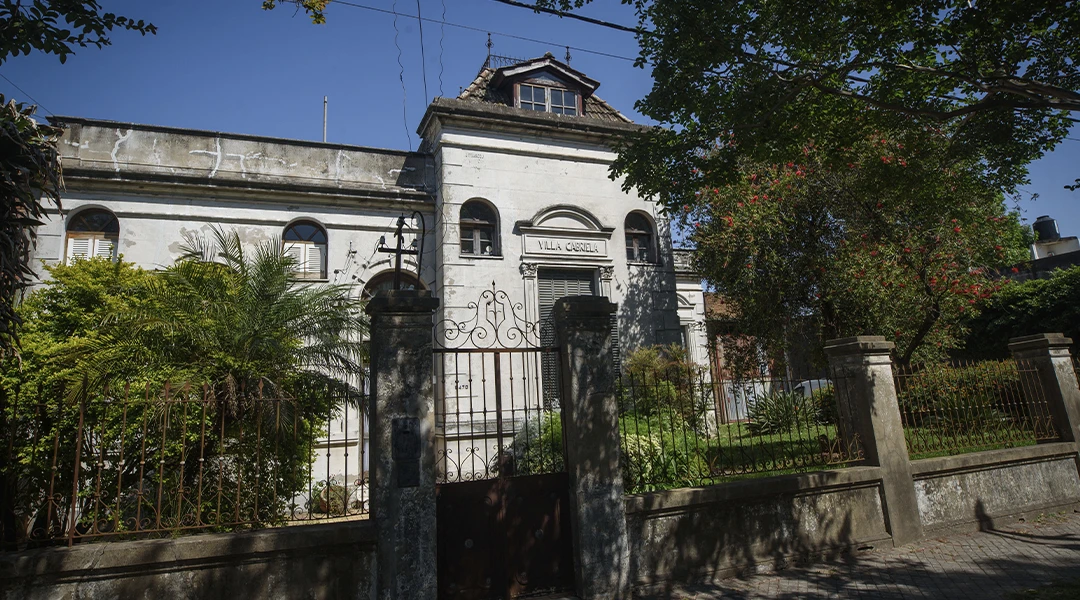
The mansions on Nuestra Señora del Rosario Ave. reflect the elitist character of the first inhabitants of...
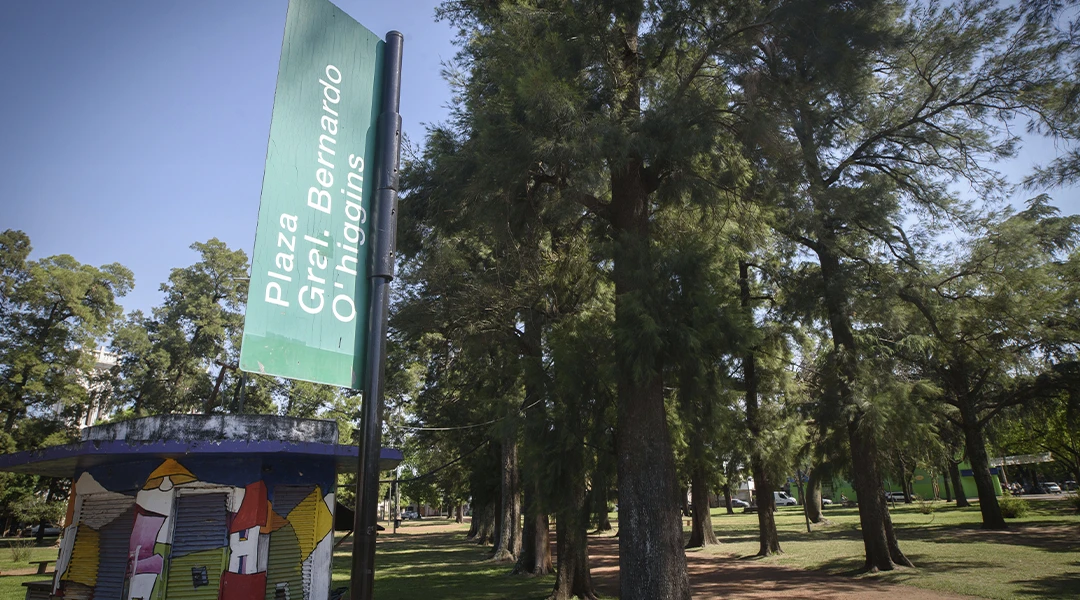
This square has been an important spot for the neighborhood's social life. Around it, there are different...
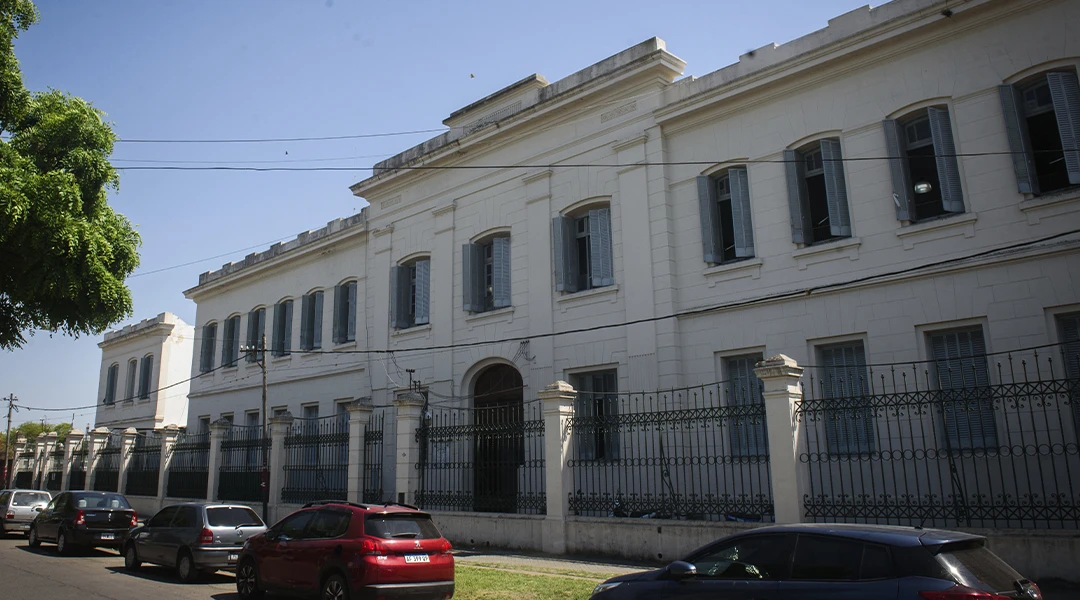
The building housed the Oblate Sisters of the Most Holy Redeemer Refuge since 1945. Over the years, the...

In 1917 the "Society of the Asylum of the Most Holy Rosary" bought the property located at 423 Arijon Street...
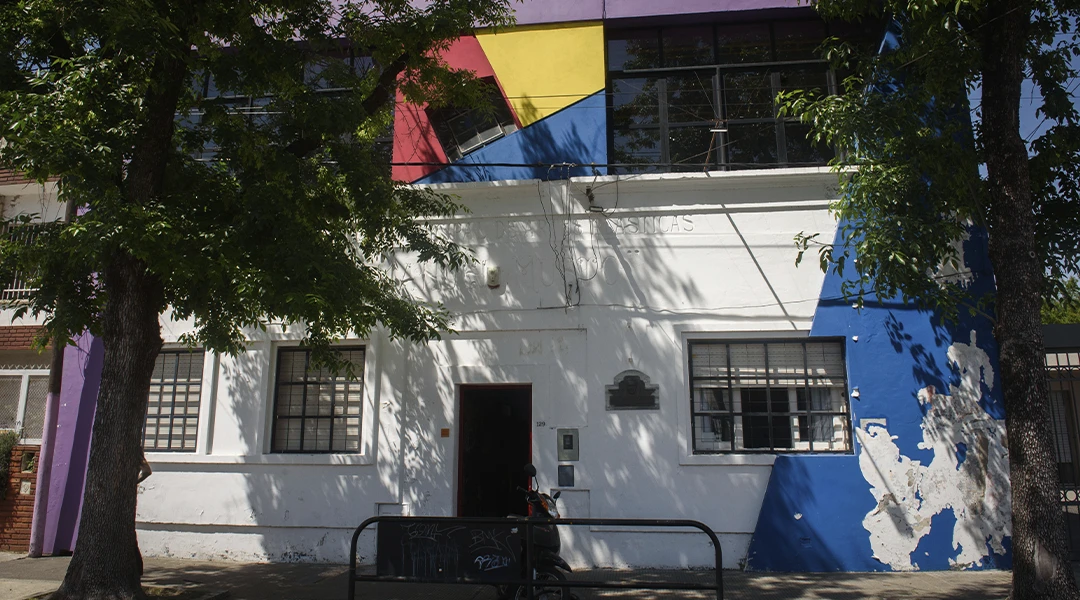
Manuel Musto was one of Rosario's most famous impressionist painters. His work marked a break away from...

Since 1885, Manuel Arijon began building mansions for high-society friends and family, who rented them for...
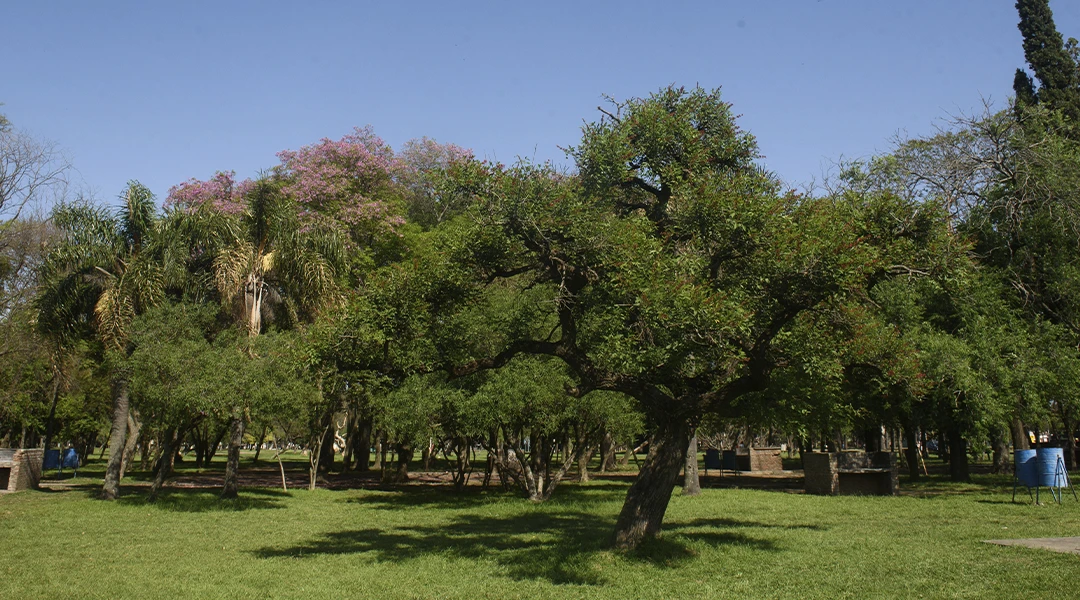
The confluence of the Saladillo Stream and the Parana River is linked to the origins of Rosario. In 1689, the...

MIRÁ MÁS CIRCUITOS EN
Rosario Turismo App DescargarA pioneer of contemporary art, his career had a great international influence.
Read moreA tour around the birthplace and other places that marked Che Guevara's...
Read moreIn few steps, a tour through the buildings that summarize a great part of the...
Read moreIn Rosario, a closer look reveals one of the most fascinating architectural...
Read moreCartoonist and writer from Rosario. He made a cult of friendship, soccer and...
Read more